
For most of my 20s, I always had access to a company car that I could drive anywhere. I drove hundreds of thousands of kilometers, going to drifting events across Europe and even Asia and North America. Fun cars came and went, and I just didn’t have enough time to get a personal vehicle.
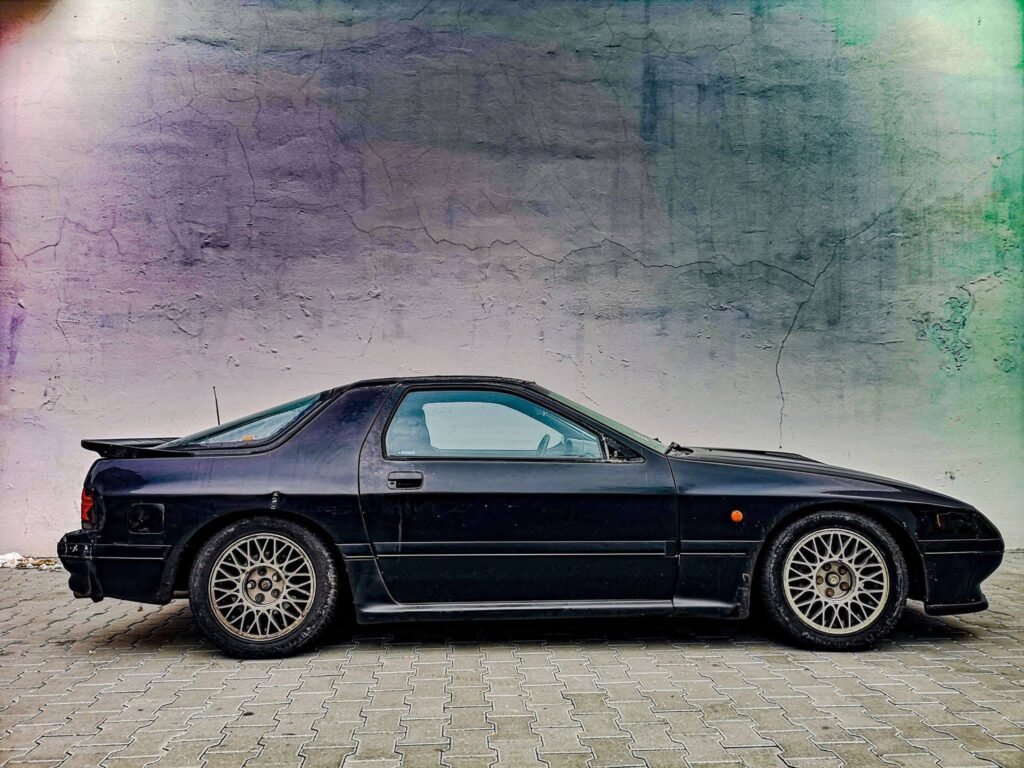
By the time I decided I needed a break, I had already saved a decent amount of cash to buy my first car. I was almost 30 at the time, and I knew what I wanted: an FD RX-7. The trouble was I could barely afford one in terrible shape, with a blown engine. And I was afraid repairing it would take years and years and more money than I could afford at the time.
I chickened out and thought to myself “Maybe I’m not ready to fulfil that dream yet.” I wasn’t mechanically inclined and didn’t know anyone who could actually fix the car for me even if I had found the money. But I also knew that I didn’t want an ordinary vehicle, but something that could easily put a smile on my face. I started making a list of all the choices within my budget, thinking I’d test each car and see how I felt about it.
I quickly realized the Subaru Impreza WRX STI was out of my league as well, after seeing one that cost €13,000 and had an engine knock. I figured choosing a car with an FF layout would be cheaper, so the next two people that I met up with were selling a Renault Clio RS197 and a Honda Civic Type R FN2. I drove them both, smiled for a second, then realized they weren’t at the level of excitement I wanted to experience.
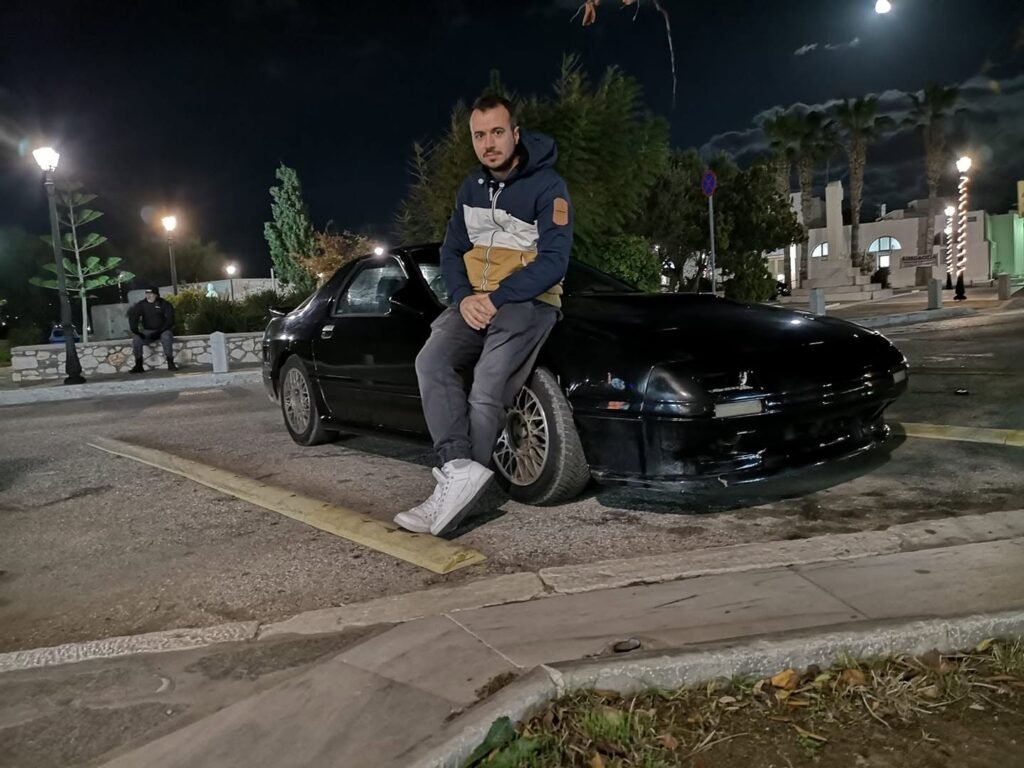
For my next attempt, I drove a 2008 Audi S3 which was technically faster but felt completely soulless. For six months I kept spending hours looking at used cars online and finally decided I needed to pursue my love for drifting by choosing RWD. The BMW 3-Series E46 was the most accessible option, and I went straight for the 3.0-liter engine: it felt slow.
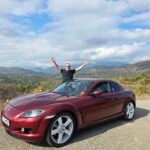
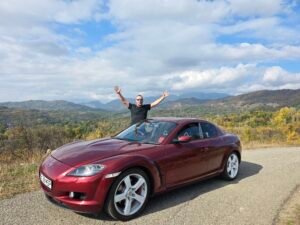
The owner thought I was mocking him, but I guess I had become numb after being a passenger in so many 700+ horsepower race cars. Deep down I knew I had to go rotary, and the Mazda RX-8 was next on the list. The owner wasn’t keen on letting me push the car too hard, so keeping it below 5,000 rpm always wasn’t exactly relevant.
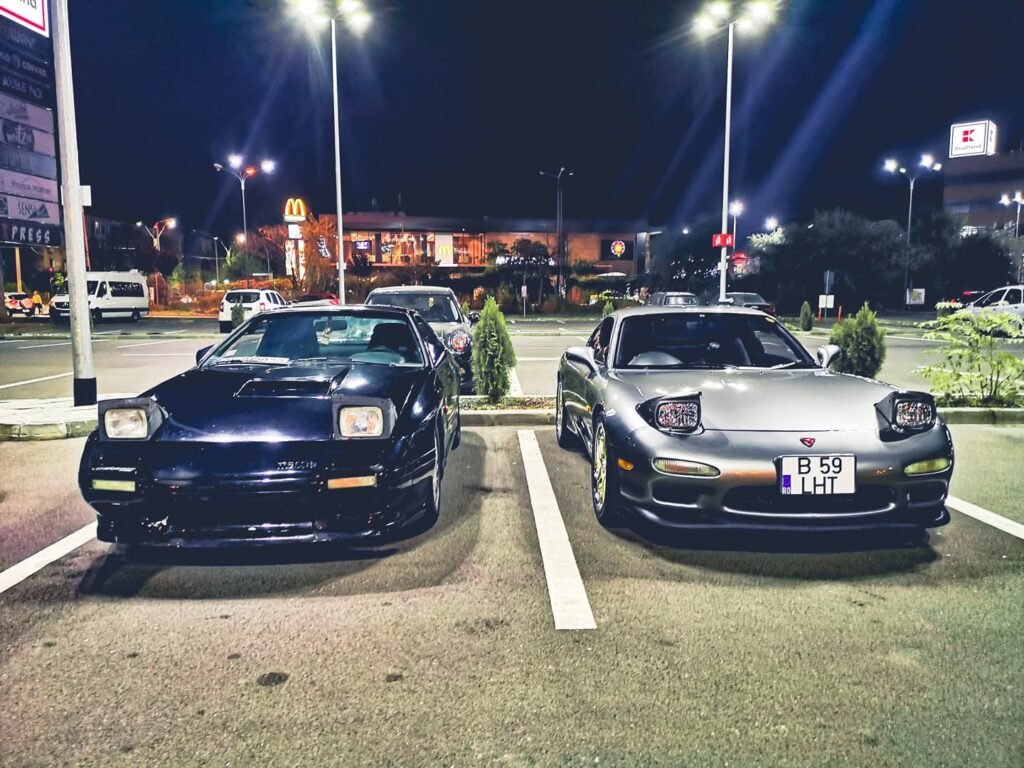
A certain comparison came to mind right then and there: a rotary without a turbo is like a Honda without VTEC, not something I wanted to spend my life savings on. I decided an RX-7 would be the only thing that would make me happy, and I soon got in touch with Xeno Pap from Greece. I think our chat happened about at the same time when he started devoting 100% of his time to Rotary Secret Garage.
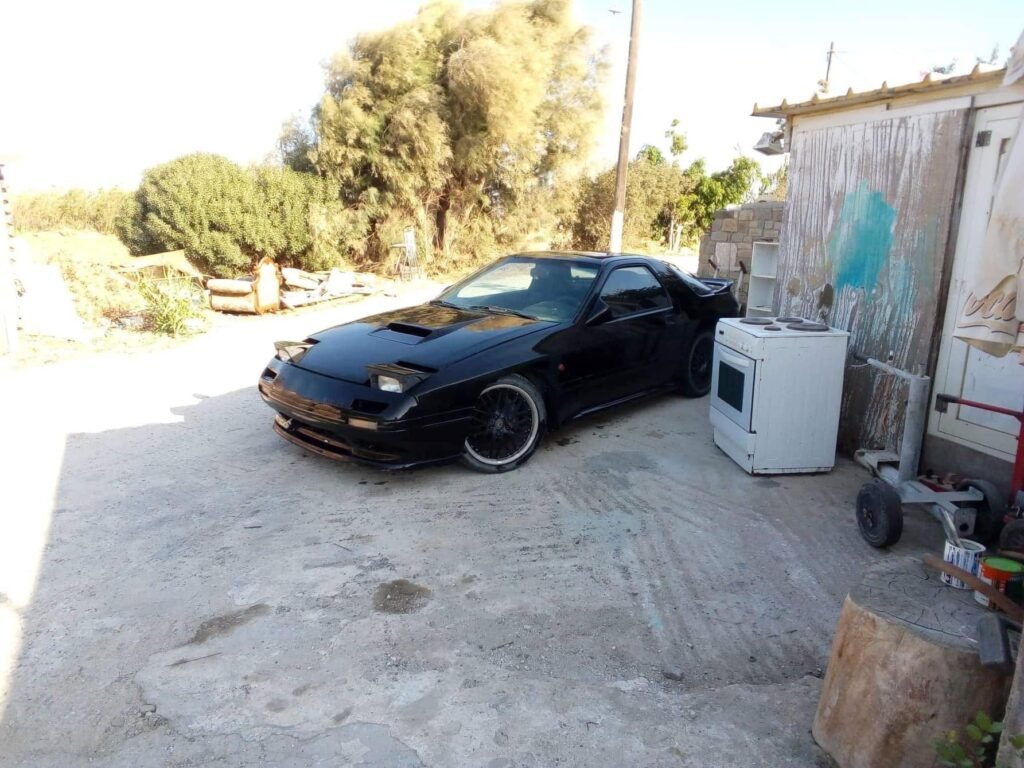
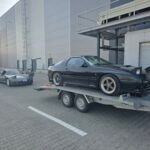
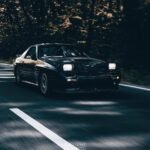
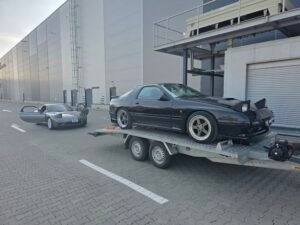
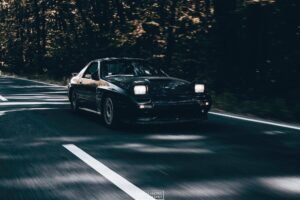
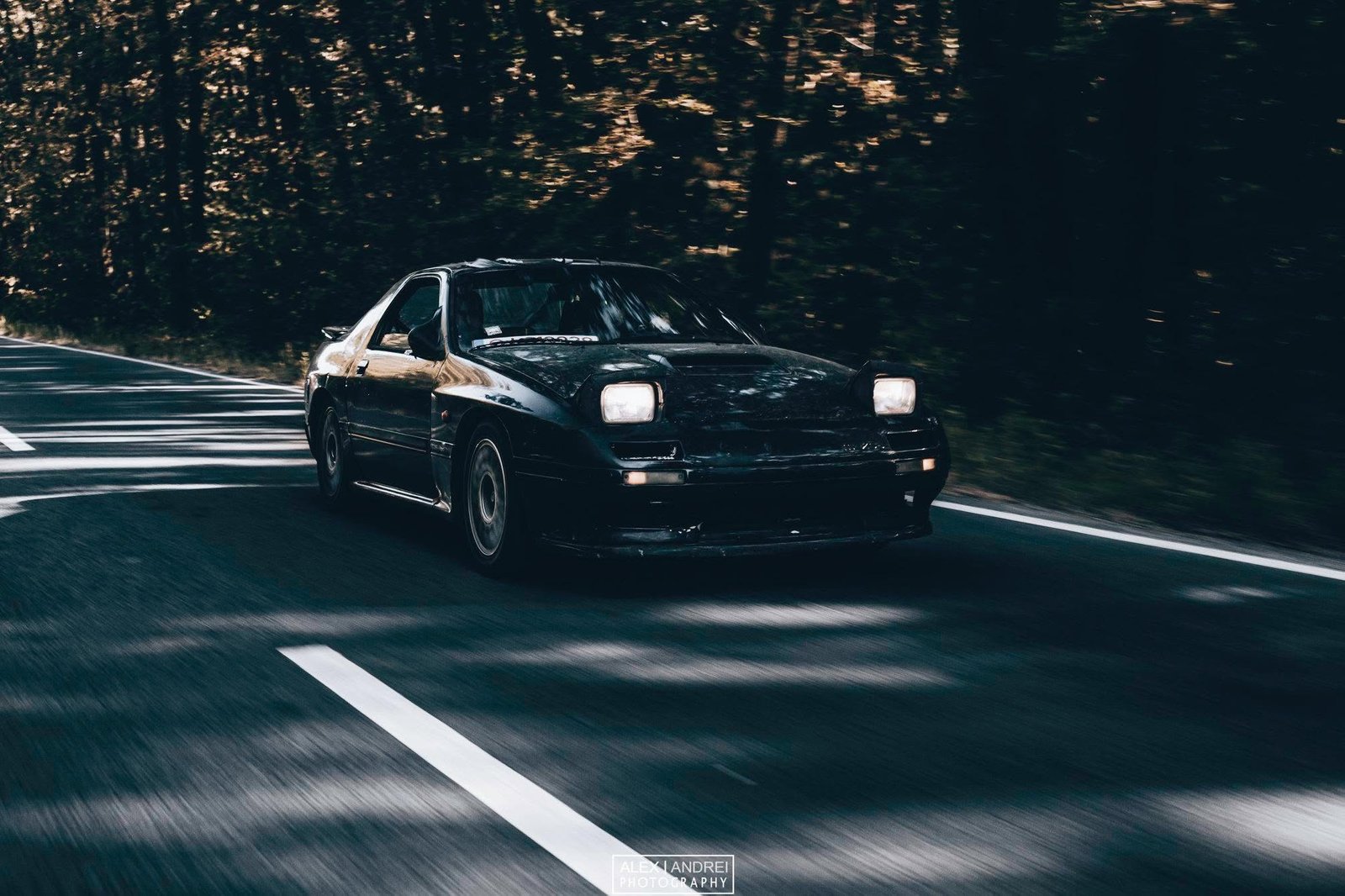
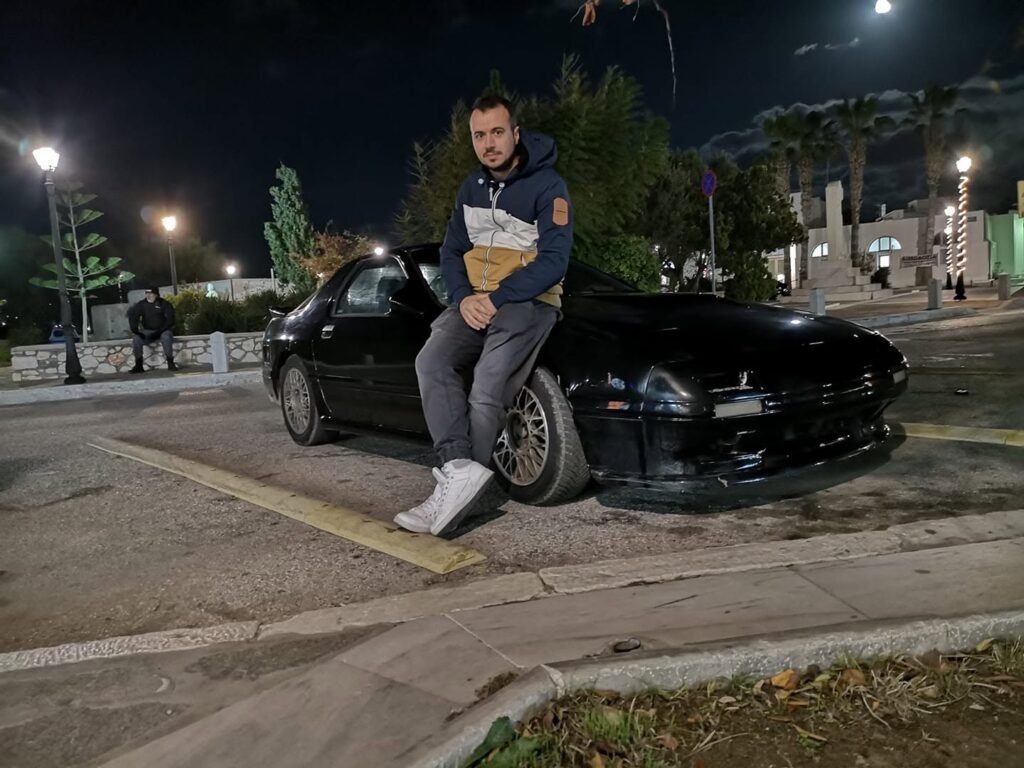
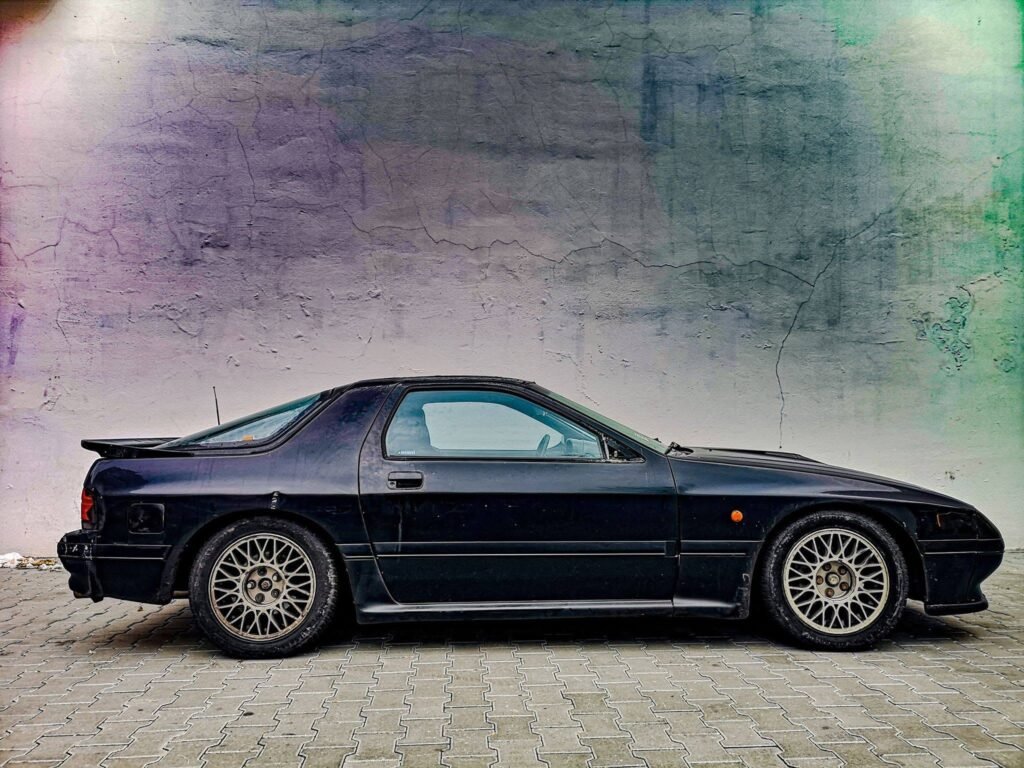
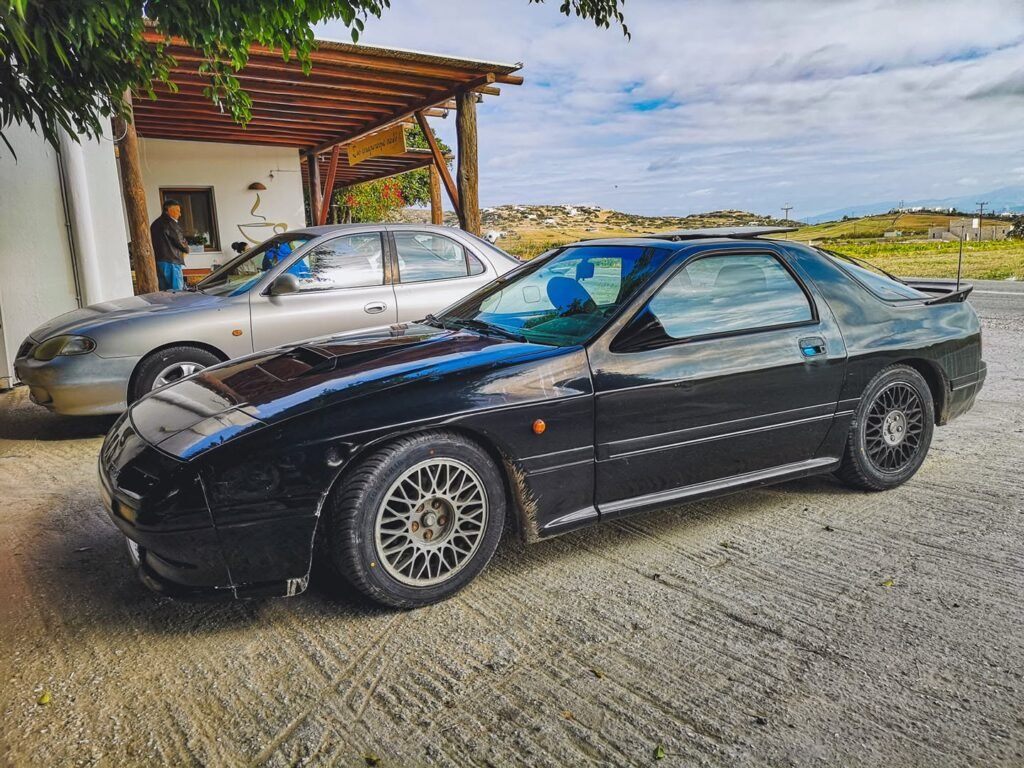
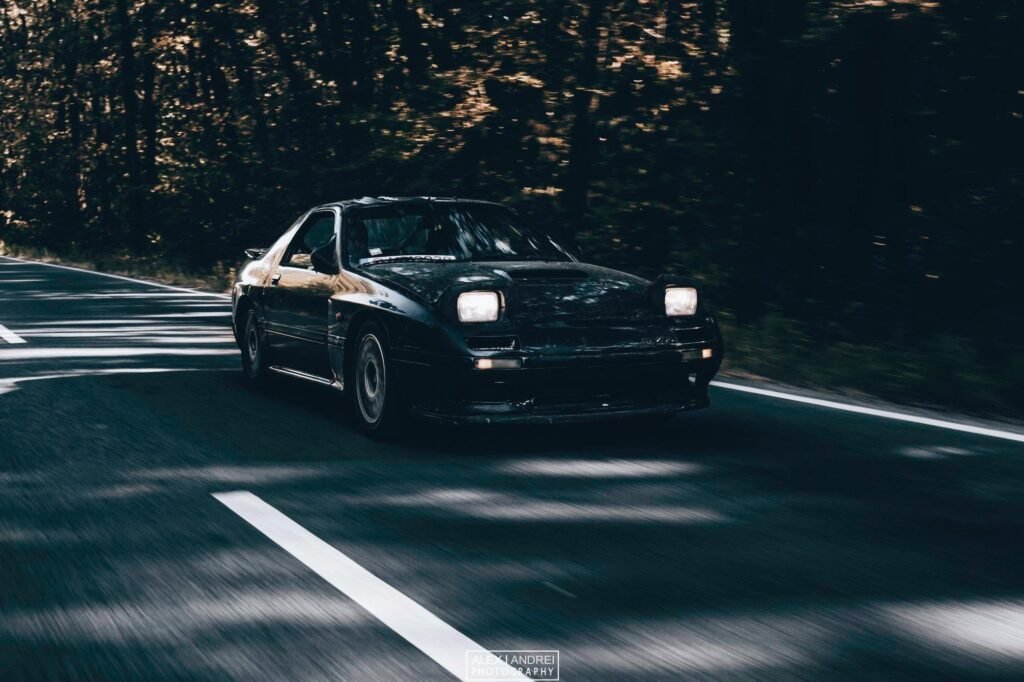
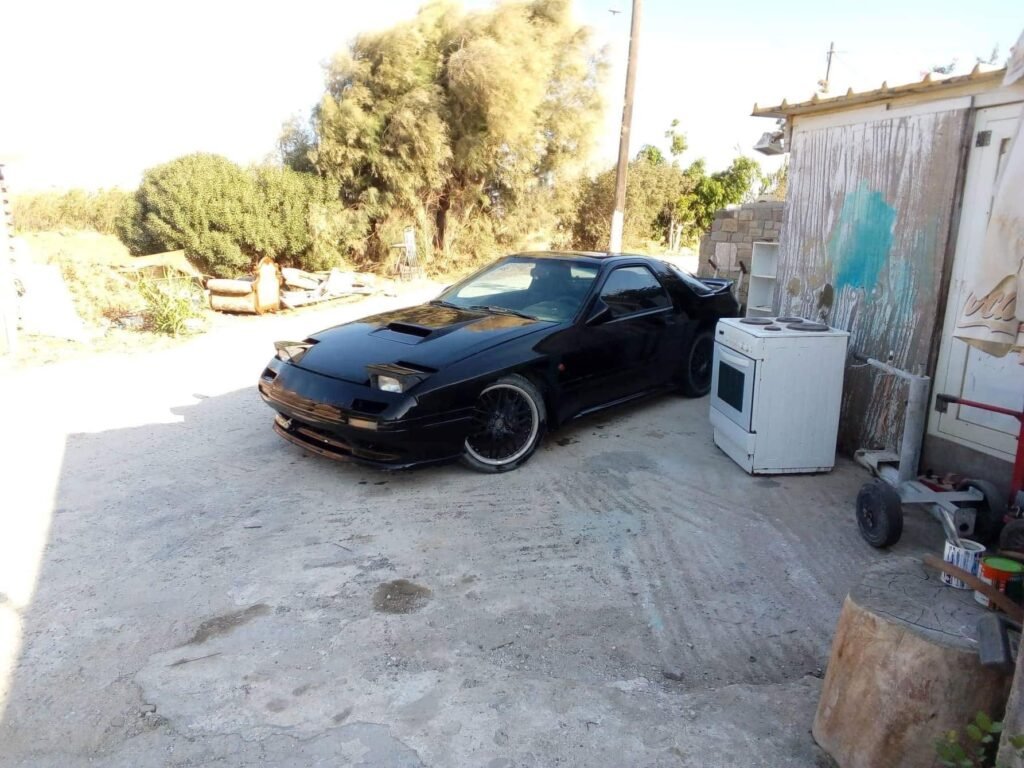
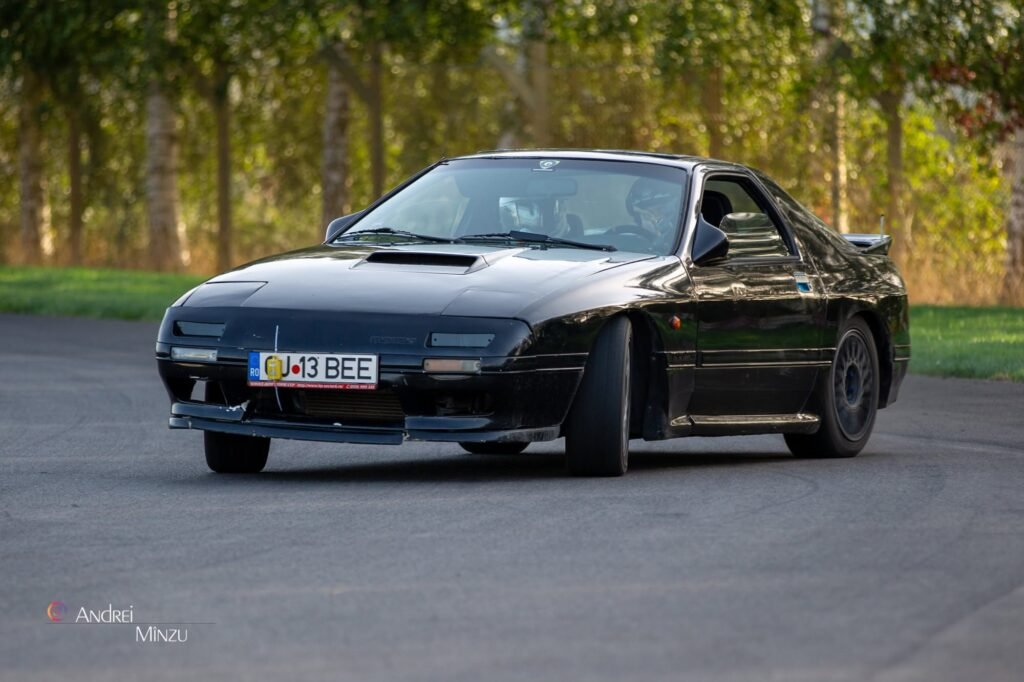
He had a lead for me: one of his acquaintances was selling a black, second-generation RX-7. The only trouble was that the car was on an island in the middle of the Mediterranean Sea. I messaged Giorgos (the owner), and he sent me photos and videos of the FC3S in action. I was soon on a plane headed to Paros in the Cyclades to buy the car for less than €5,000.
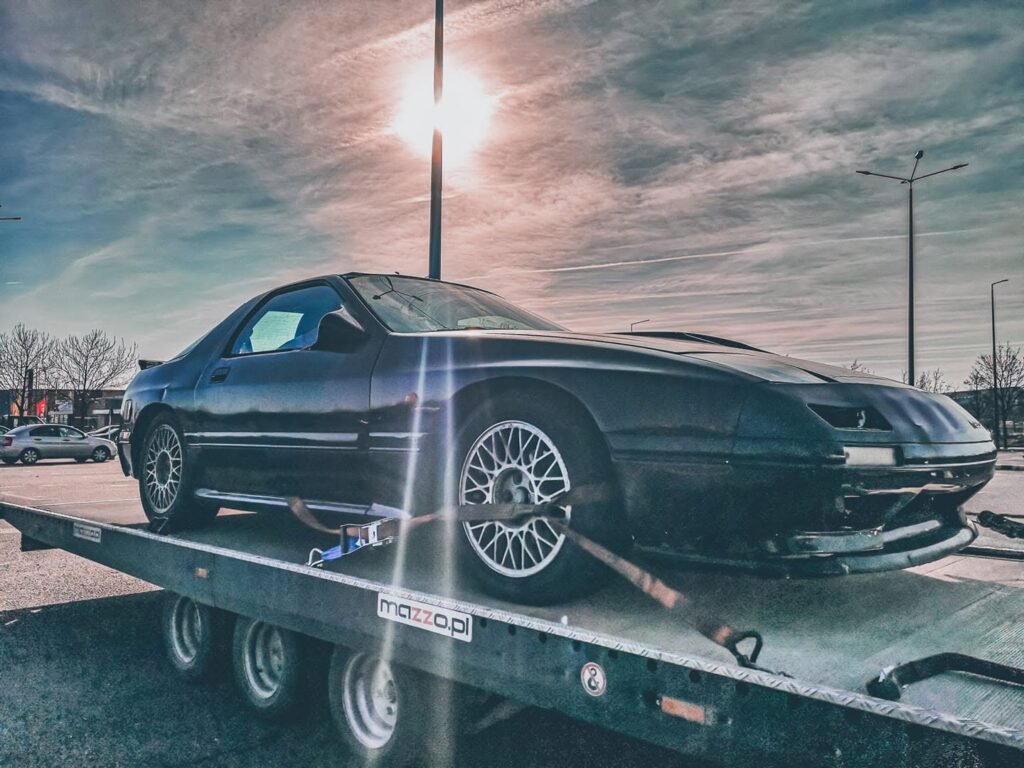
It wasn’t in great shape, but I had some cash left for upgrades and repairs. Against all recommendations to load the car onto a train for at least half of the long trip back home, I decided I’d drive for two days instead (pitstop halfway). It wasn’t perfect, but I finally had an RX-7, and those moments will forever be etched into my memory.
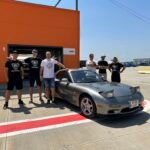
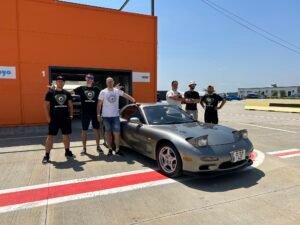
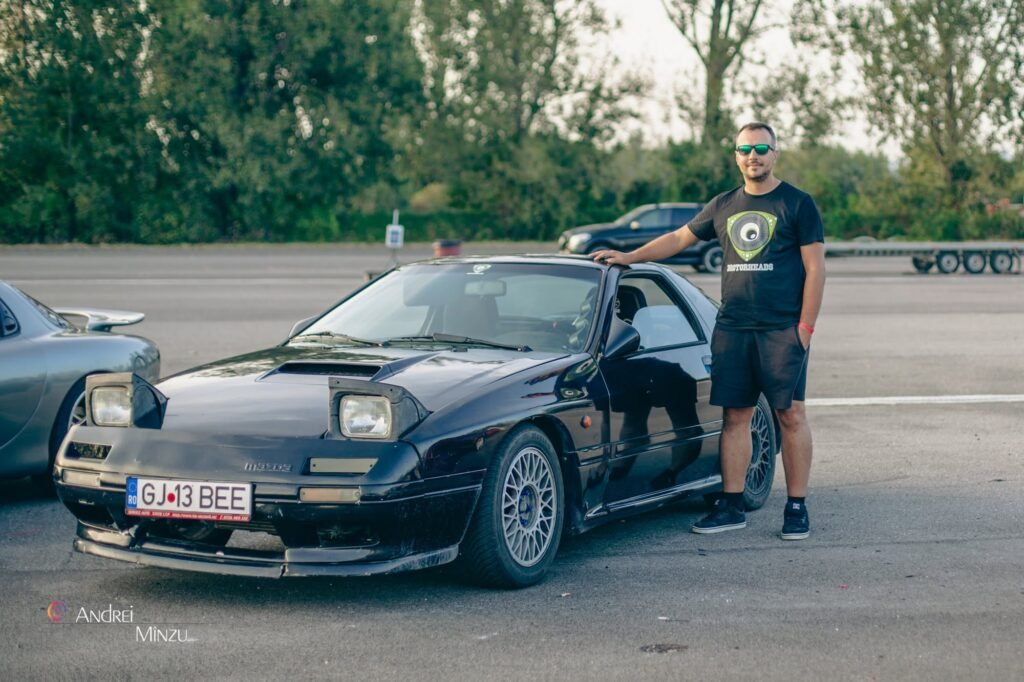
Almost eight years have gone by since, and it’s been a mix of highs and lows so far. I’ve only covered around 6,000 kms in the FC, with a total of four medium-intensity track days and several longer drives (including a team drive up the Transalpina touge).
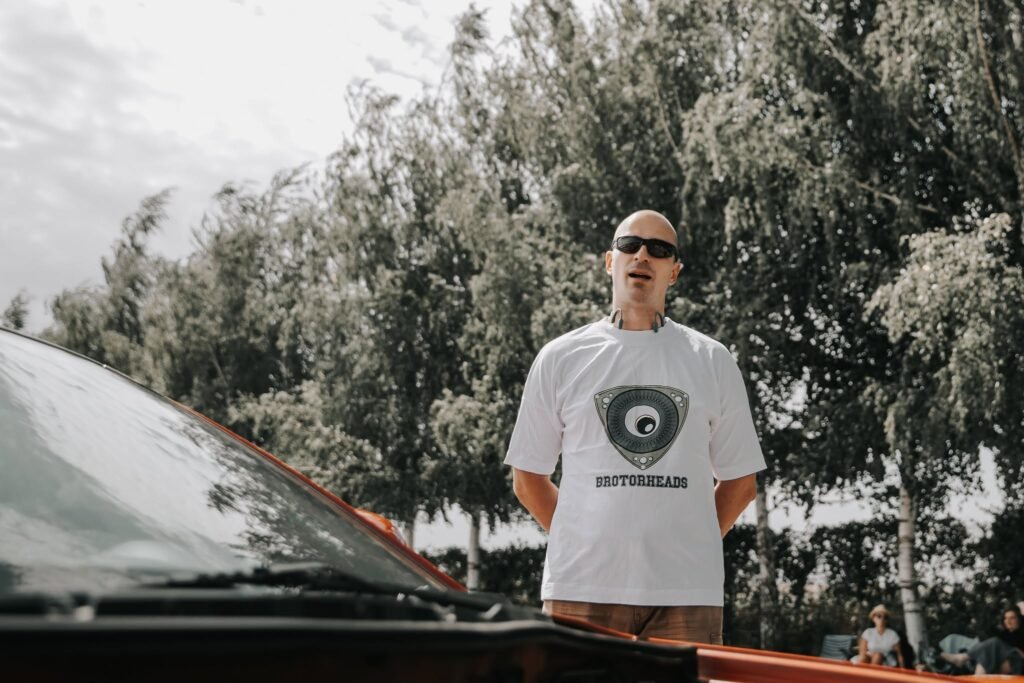
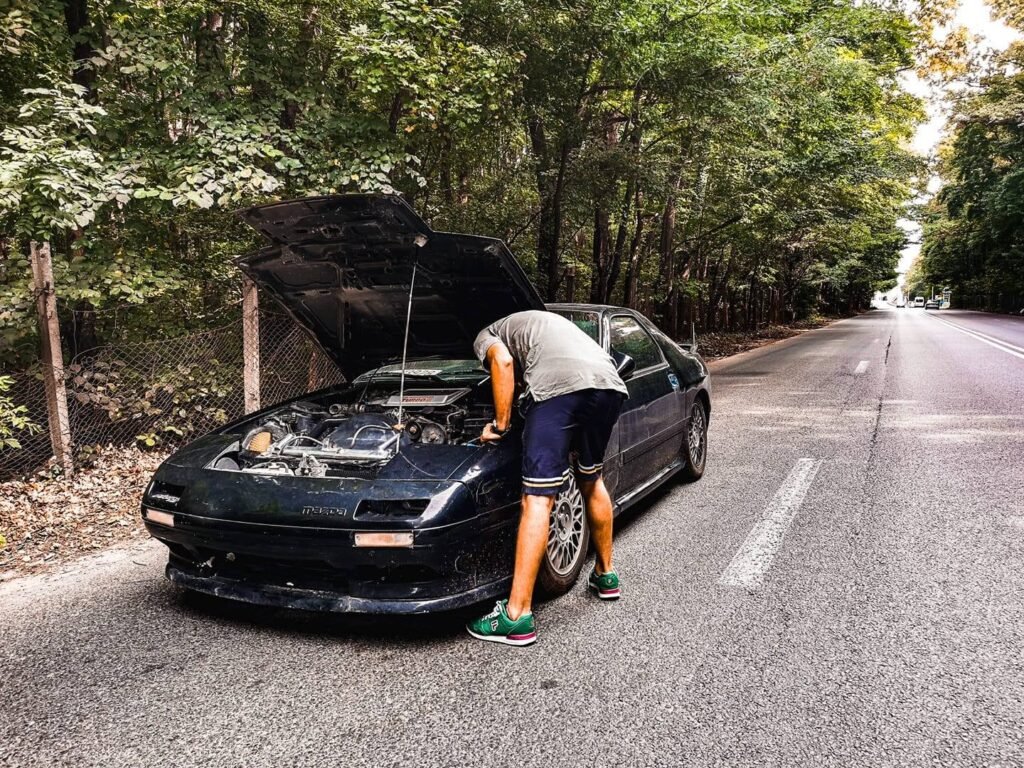
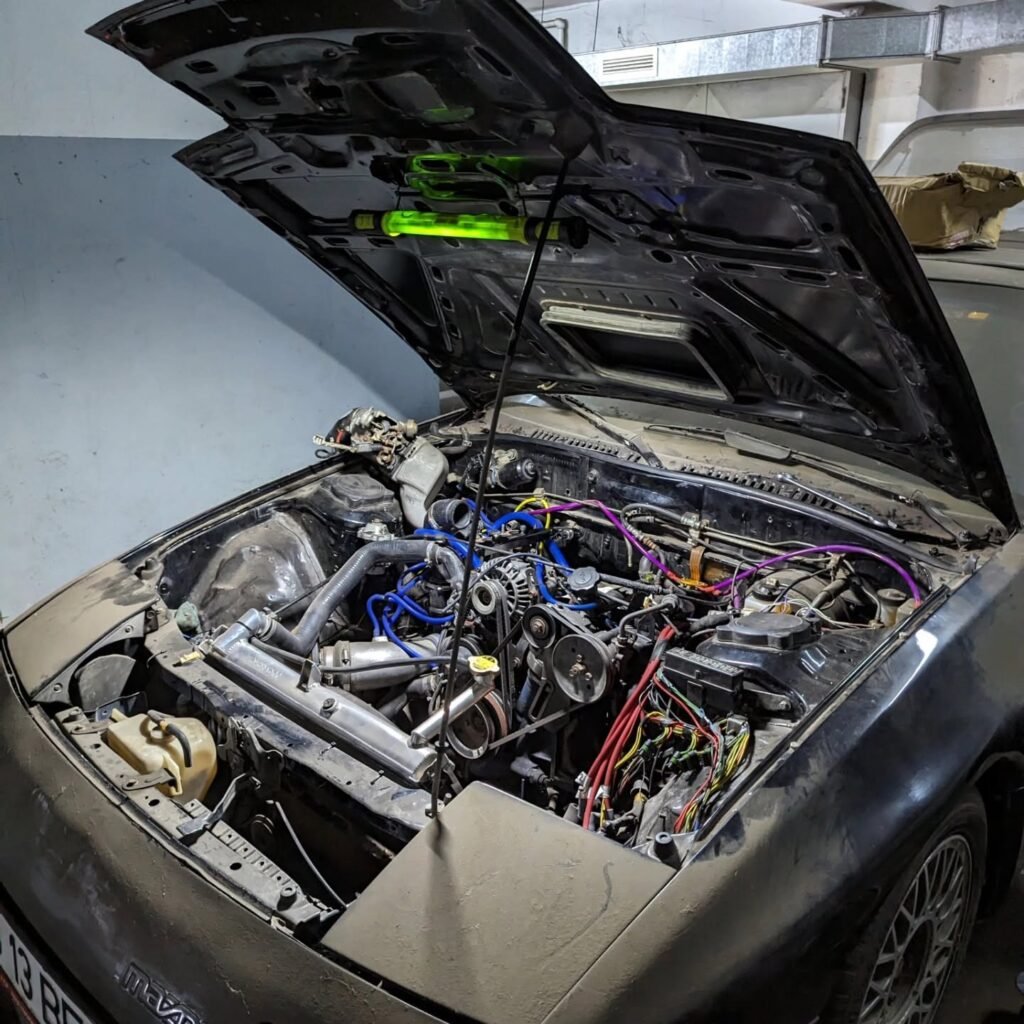
The engine compression wasn’t ideal when I first brought it home (around 5.5 bars), but now it has dropped to 4 after a silly problem. I knew this day would come, and it’s by no means a deal-breaker for me.
I just need to decide what the car’s final purpose will be as it needs a clear direction and then find the budget for the rebuild and additional parts required (new turbo and clutch for starters). I will be coming up with more detailed stories on the parts I’ve installed so far and the adventures I’ve had with the car.
Before I go, I just want to say I wouldn’t have even had half the fun with it if wasn’t for Mike Dendyuk’s crucial inputs (hundreds of hours spent tinkering on the car). A new chapter awaits!

About The Author